

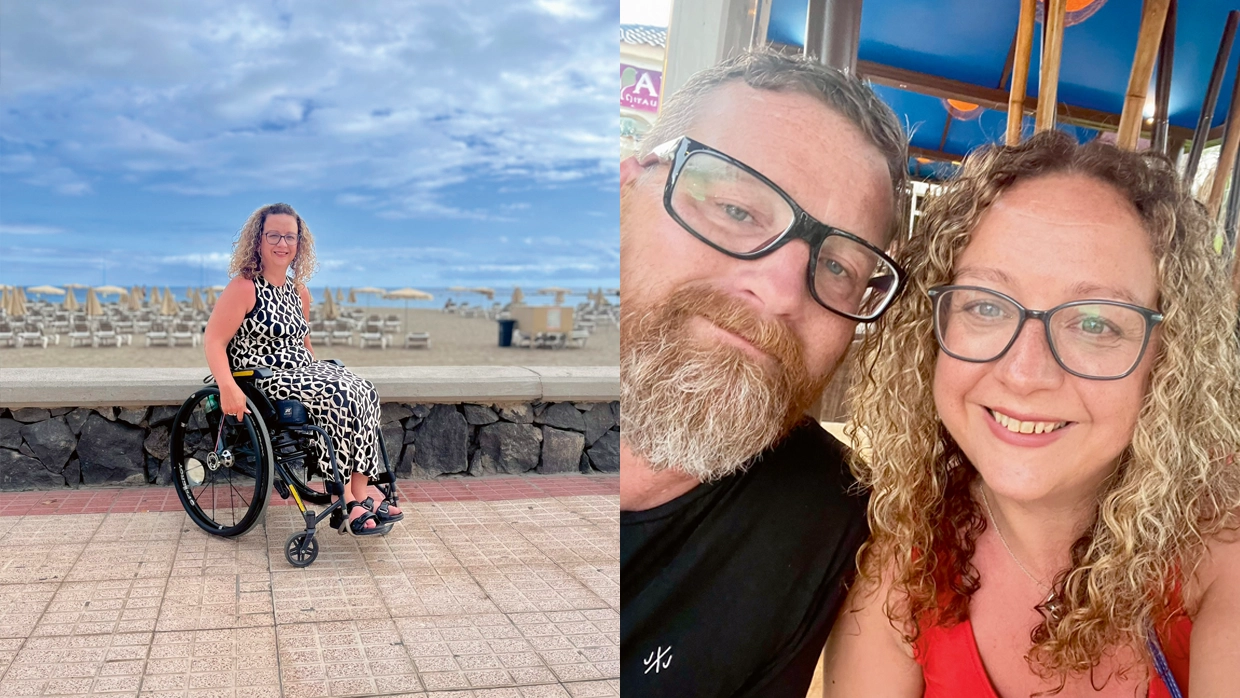
Tenerife has long been a favourite for sunshine breaks but, for disabled travellers, reliability matters just as much as warm weather. When I travelled in June, looking for a low-stress break with guaranteed sunshine, Tenerife delivered. A personal recommendation from a friend, who is also a wheelchair user, helped the decision feel safe; we often gravitate towards similar holidays so I trusted their judgement. From the moment we arrived, the pace slowed and the pressure to plan always so present in disabled life disappeared.
Why Tenerife works
Tenerife sits in the Canary Islands, off the north-west coast of Africa, and benefits from a mild climate all year round. In the south of the island in particular, tourism infrastructure has developed around wide promenades, accessible beaches and inclusive places to visit. For disabled travellers, especially those planning their first accessible holiday, Tenerife feels reassuring. Dedicated beach support is visible, accessible routes are easy to find, and you get a sense that disabled visitors are truly valued.
We stayed in Playa de las Americas, near Las Vistas beach, and location made all the difference. The beach, shops, cafes and restaurants were all within about 500 metres, linked by a wide, flat promenade with ramped access. What stood out immediately was how uncomplicated everything felt. We did not need to plan routes or organise transport for each outing, because there were plenty of accessible options close by. We could head out, see how we felt, and decide as we went. That sense of freedom and spontaneity is rare when travelling as a wheelchair user, and it shaped the whole trip.
A beach that truly delivers
Las Vistas beach is one of the most accessible beaches I have ever visited. From our apartment, it was an easy journey along the flat promenade, with clear signage directing you to the accessible section. A gently winding ramp leads down from the promenade to the beach. At the bottom, the accessible area opens out into a large wooden platform with space for many people to sit together, so friends and family can stay close, rather than being separated.
There are dedicated sun loungers for hire on the platform, designed to make transfers easier, with plenty of options for sun or shade; I like to be in the sun, while my husband prefers shade, and we could both be comfortable without compromise. Accessible toilets and a lowered outdoor shower are close by, making it practical to spend long stretches at the beach.
What struck me most was the scale. I am used to seeing small accessible areas with a handful of loungers. Here, accessibility felt fully integrated. Even small touches added to the experience. Beach sellers passed by offering fresh mojitos, meaning I could enjoy my favourite cocktail without the energy drain of transferring back into my chair, changing my clothes and going to a bar. The beach is my ultimate happy place. The smell of salty air, the sound of the waves and the feeling of sand under my toes all bring a sense of calm that is hard to find elsewhere. As a wheelchair user, being able to access that without barriers felt so special.
Swimming and water access
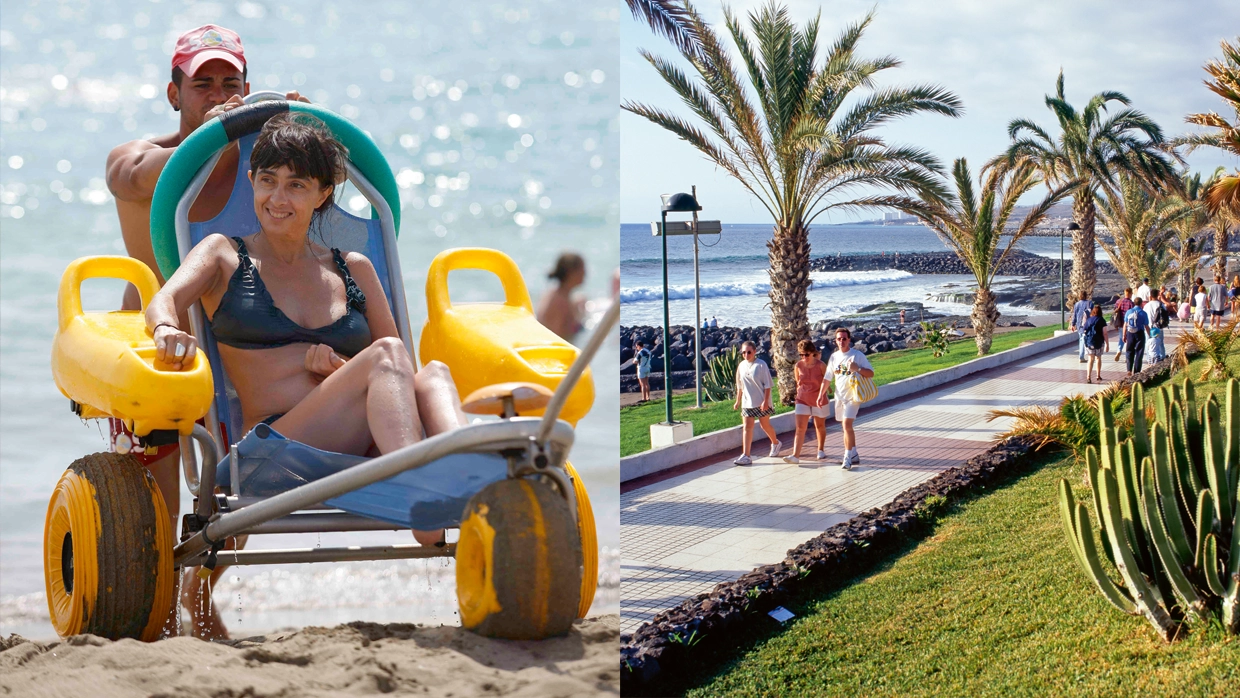
Las Vistas has invested in making the sea accessible, with amphibious wheelchairs and lifeguards on hand to support disabled swimmers. I chose not to swim in the sea, but seeing other disabled people being helped into the water changed how welcoming the beach felt.
Instead, I swam regularly in the apartment pool. Access involved steep ramps which needed help from my husband but, once there, the wide, shallow steps into the water felt comfortable and I could enjoy a gentle swim.
Enjoy the promenade
Eating out was easy and spontaneous. The promenade is lined with cafes, bars and restaurants, many with level access and accessible toilets, so we could choose places based on how we felt rather than what I could access.
Restaurante Sun King became a favourite for breakfast and brunch, with fresh smoothies and relaxed mornings. Casa Playa Tenerife was perfect for cocktails by the sea, while Thai Botanico stood out for a special evening meal. Days felt slow and restorative. Evenings felt like a special celebration, with that same slow pace for long, delicious meals and soaking up beach sunsets.
Shopping and getting around
Shopping around Las Vistas and Playa de las Americas was straightforward, with step-free access and wide layouts in the nearby centre, Centro Commercio Safari. It is worth noting that accessibility drops away once you move beyond the beach resorts. Inland and hillier areas can be challenging, particularly without suitable transport.
For this trip, staying close to the promenade suited us perfectly and still gave plenty of options to explore. Often called the 'geranium walk', the promenade is 10km+ long, linking La Caleta to Los Cristianos, passing through Costa Adeje and Playa de las Americas on a scenic, flat route.
Canarian culture
Food was a highlight. Seafood features heavily, alongside local favourites like papas arrugadas, small potatoes boiled in salty water until the skins wrinkle, usually served with mojo sauce; simple, comforting and distinctly Canarian.
Tenerife has a strong culture of outdoor living. Cafes spill on to promenades, meals are shared slowly, and evenings revolve around conversation and music.
Who this trip will suit
This kind of Tenerife holiday is ideal for disabled travellers who want to experience the beach without barriers. It works particularly well for first-time accessible travel, thanks to the ease of access and the visibility of support.
Travelling with my husband suited the accommodation we chose, and the overall pace supported a restful, restorative break. As long as you stay mindful of the hills beyond the beach resorts, Tenerife offers a place where switching off feels genuinely possible.
Where we stayed
We stayed at theTorres del Sol Apartments, booked via Airbnb following a recommendation. The apartment was not marketed as accessible, but it did have step-free access via ramps and lifts, along with a level access shower. There was also a shared pool on site.
The biggest advantage was proximity. Being so close to the beach and promenade made daily life easy, but there were some drawbacks. Space inside the apartment was limited, and some ramps around the complex, including the route to the pool, were steep, meaning I needed help.
Next door is the Mar y Sol hotel, a specialist accessible property, which would be worth considering for travellers who want a dedicated accessible stay in the same area. When to visit Late spring and early summer are ideal times to visit. June offered warm sunshine without peak crowds, or travelling later in the year for winter sun can work well. Tenerife can offer good value with a few simple choices. Self-catering accommodation helps manage costs and many of the best experiences - beaches, promenades and swimming are free or low cost.
Travel with confidence
We flew from Liverpool to Tenerife South and used prebooked airport assistance, which made the journey calm from start to finish. Assistance at both ends was well organised, my wheelchair was returned unharmed, and a prebooked wheelchair-accessible taxi transfer meant we could relax straight away.
ACCESSIBLE TRAVEL RESOURCES FOR TENERIFE
★For planning tips, you can visit the Accessable website.
★You can hire Mobility equipment in Tenerife at Orange Badge.
★For adapted transport and accessible transfers, visit Wonderfultenerife.com.
★You can book barrier-free whale and dolphin watching on the Bat 4 All website.
Photos: Miracsaglam/iStockphoto/Getty Images; Courtesy Carrie-Ann Lightley