
1. Swimming
Swimming is one of the best forms of exercise for the whole body, offering buoyancy that reduces stress on joints while building strength.
If you are looking for an inclusive environment, leisure provider Better is leading the way. Their mission is to make swimming accessible, enjoyable, and easy for everyone. They offer SEND (Special Educational Needs and Disabilities) swimming classes and sessions.
You can swim with confidence knowing that their instructors are specially trained to deliver lessons for people with various disabilities and access needs.
Most of their leisure centres feature wheelchair accessibility and poolside mobility aids. You can check if there are Poolpod lifts near you on the Better website. Unlike traditional pool hoists, you can operate Poolpod yourself, giving you more independence.
2. Crochet
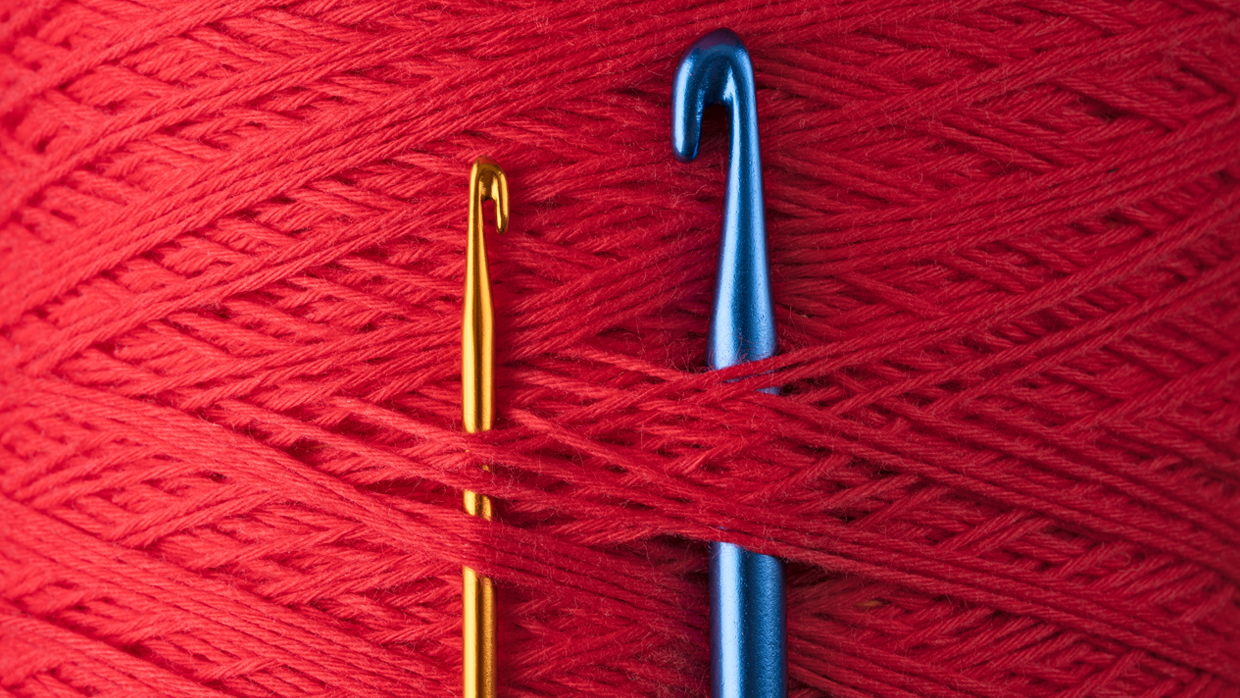
Crafting is a fantastic way to practice mindfulness and create something beautiful, but holding thin crochet needles can sometimes be difficult for those with reduced grip strength or chronic pain.
However, a simple adaptation can make this hobby accessible to many more people: foam grip tubing. By sliding foam tubing over the handles of crochet hooks, you can create a wider, softer grip that reduces hand strain. It’s a low-cost modification that allows you to enjoy the repetitive, calming rhythm of crochet comfortably.
Find out other accessible crochet tips on the Equip2adapt website.
3. Bird watching
Sometimes, the best hobbies are the ones that force us to slow down. Bird watching is an excellent way of connecting with nature and getting to know the natural habitat that surrounds us.
The beauty of this hobby is its flexibility. You can do it from a local park, a nature reserve, or even from the comfort of your own window. All you need is a little patience and perhaps a pair of binoculars to start appreciating the wildlife on your doorstep.
Find a map and list of accessible reserves on the Birding For All website. This is a national voluntary organisation, whose goal is to improve access for people with disabilities to reserves, facilities and services for birding.
Top bird watching apps include Merlin Bird ID for identifying birds by sound/photo/description, eBird for logging sightings and finding hotspots, and BirdTrack for recording observations.
4. Learn a new language
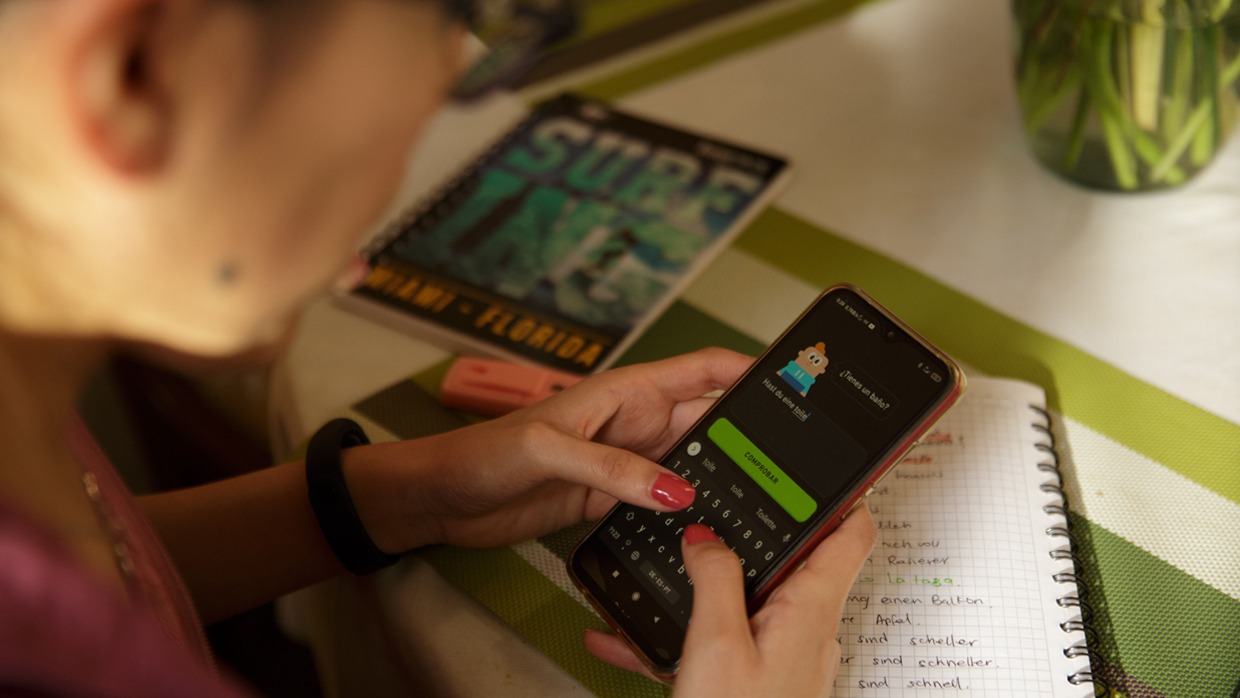
Exercising your mind is just as important as exercising your body. Why not challenge yourself to learn a new language?
It can allow you to connect with people from different cultures, open up future travel opportunities, and even help advance your career. If that wasn’t enough, studies show that learning a language significantly improves cognitive ability. You don’t need to attend a classroom to start; you can learn at your own pace using well-known apps such as Duolingo.
5. Read more
Alternatively, if you prefer stories to grammar, make this the year you fall back in love with reading. If holding a heavy book or focusing on small print is a barrier, explore the world of audiobooks. They allow you to immerse yourself in a story hands-free, making literature accessible to everyone.
You can check out apps like Audible or look into services at your public library. If they are signed up with the Libby service, you can borrow audiobooks with your library card for free.
The RNIB library has a range of braille books for adults and children. You can browse their online library catalogue and books are delivered free of charge to your home.